Dr. BJ Guenther interviews 2 experts in the field of neurofeedback. Discussion includes definition and uses of neurofeedback for mental health issues such as depression, anxiety, ADHD, etc. Listen here.

Dr. BJ Guenther interviews 2 experts in the field of neurofeedback. Discussion includes definition and uses of neurofeedback for mental health issues such as depression, anxiety, ADHD, etc. Listen here.
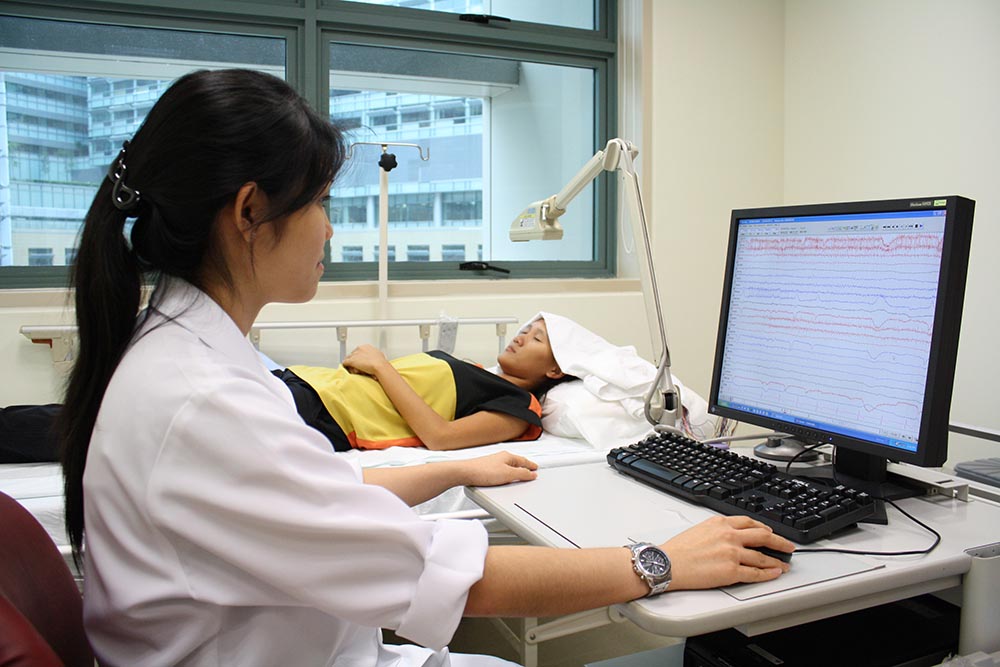
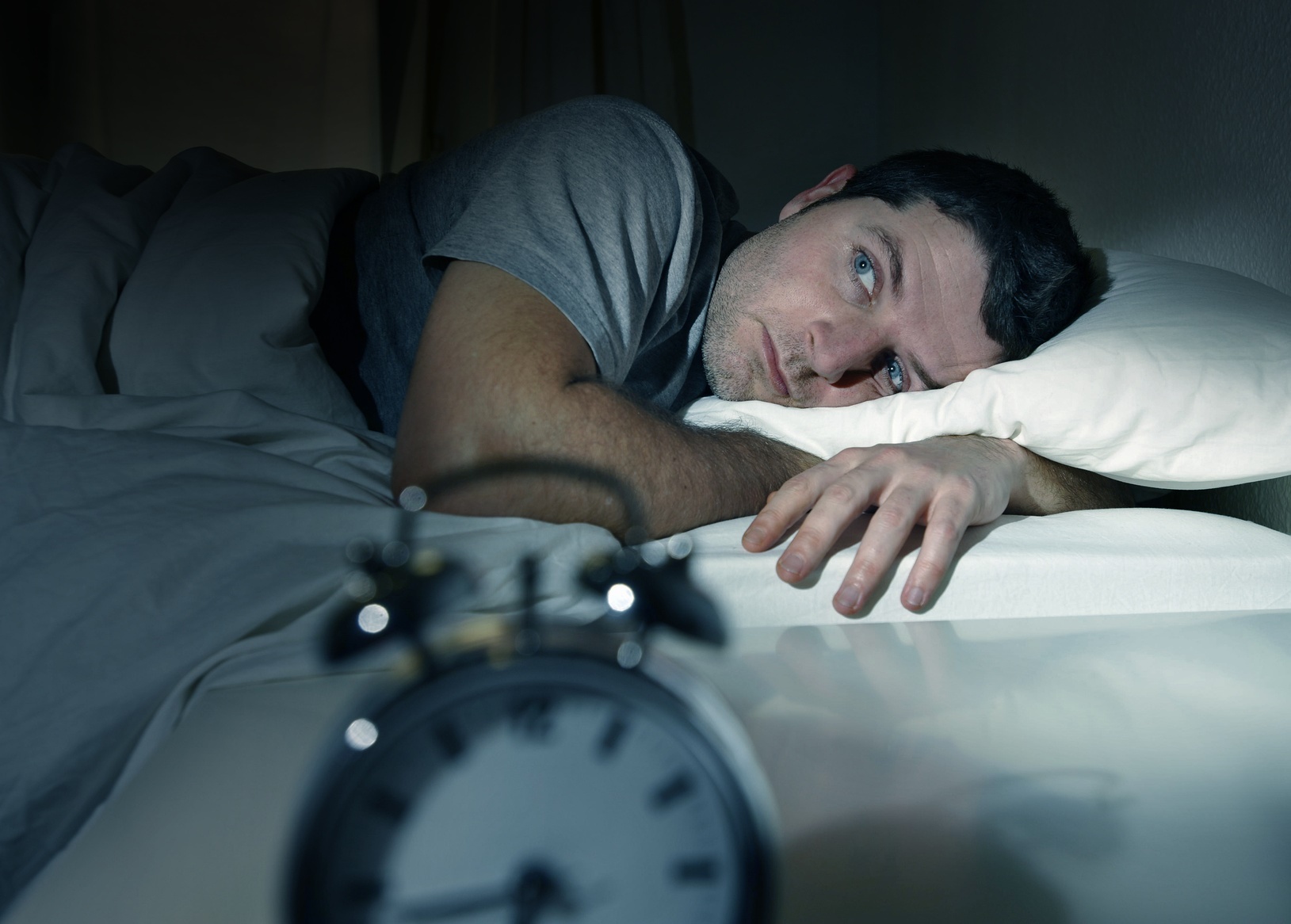
“In this study we aimed to investigate the relation between arousal systems (EEG-beta phenotypes also referred to as spindling excessive beta (SEB), beta spindles or sub-vigil beta) and the behavioral dimensions: insomnia, impulsivity/hyperactivity and attention. This analysis is conducted within a large and heterogeneous outpatient psychiatric population, in order to verify if EEG-beta phenotypes are an objective neurophysiological marker for psychopathological properties shared across psychiatric disorders.”

Listen to the full podcast here Jay Gunkelman Podcast
This week we’re joined by QEEG Diplomate (yes, that’s a term!) and founder of Brain Science International Jay Gunkelman, to talk Electroencephalography. After analyzing over a half-million EEG scans, Jay has a pretty robust set of human brain data at his disposal… And he uses that body of knowledge to guide the work of psychiatric and other health professionals who make proscriptive recommendations about patients’ brains.

Ronald J. Swatzyna, Gerald P. Kozlowski, and Jay D. Tarnow
Pharmaco-electroencephalography (Pharmaco-EEG) studies using clinical EEG and quantitative EEG (qEEG) technologies have existed for more than 4 decades. This is a promising area that could improve psychotropic intervention using neurological data. One of the objectives in our clinical practice has been to collect EEG and quantitative EEG (qEEG) data. In the past 5 years, we have identified a subset of refractory cases (n = 386) found to contain commonalities of a small number of electrophysiological features in the following diagnostic categories: mood, anxiety, autistic spectrum, and attention deficit disorders, Four abnormalities were noted in the majority of medication failure cases and these abnormalities did not appear to significantly align with their diagnoses. Those were the following: encephalopathy, focal slowing, beta spindles, and transient discharges. To analyze the relationship noted, they were tested for association with the assigned diagnoses. Fisher’s exact test and binary logistics regression found very little (6%) association between particular EEG/qEEG abnormalities and diagnoses. Findings from studies of this type suggest that EEG/qEEG provides individualized understanding of pharmacotherapy failures and has the potential to improve medication selection.
This is the PowerPoint “Medication Failure: EEG/qEEG Findings Provide Evidence” as presented at ISNR Conference Workshop 20 September 21, 2013
Presented by:
Ronald J. Swatzyna, Ph.D., L.C.S.W.
The Tarnow Center for Self-Management
drron@tarnowcenter.com
Vijayan K. Pillai, Ph.D.
The University of Texas at Arlington
pillai@uta.edu

There has been a lot of discussion since the FDA announced approving a new medical device just approved to assist in the diagnosis of ADHD in children and adolescents. “The device, the Neuropsychiatric EEG-Based Assessment Aid (NEBA) System, is based on electroencephalogram technology, which records different kinds of electrical impulses given off by neurons in the brain and the number of times the impulses are given off each second. The NEBA System is a 15- to 20-minute noninvasive test that calculates the ratio of two standard brain-wave frequencies, known as theta and beta waves; the ratio has been shown to be higher in children and adolescents with ADHD than in those without it, according to FDA” (http://alert.psychiatricnews.org/2013/07/ fda-approves-device-to-help-diagnose.html). However, the use of this technology to assist in the diagnosis of ADHD is not new.
David Rabiner, Ph.D. (Senior Research Scientist, Duke University) published a report (Attention Research Update April 2001) titled “New Support for the Use of qEEG scanning in Diagnosing ADHD” (http://www.helpforadd.com/2001/april.htm). This report acknowledged utilizing the measure of the ratio of theta to beta waves in the prefrontal cortex as a marker for ADHD (ages 6-20). Therefore the technology is not new, and although the NEBA System is helping to bring scientific evidence into the realm of psychiatric diagnosis, there is more to it then has been discussed thus far.
In almost every area of medicine, doctors can order tests to provide objective physical data to guide their medication selection. However, the practice of psychiatry is most often based on observation, self-report and psychological testing. It appears that we are better at measuring impairment than we are at identifying the source and prescribing an effective medication. Is there a way we can do better?
The director of the National Institute of Mental Health, Tomas Insel, suggests there are many medicines, but they are not working adequately. This is because the symptoms of mental illness are too illusive and are shared by many diagnoses. Insel (2012) says, “It’s much harder to fix something if you don’t know what is going wrong.” Medications are being prescribed to treat a set of symptoms suggestive of a specific disorder without any objective evidence of the cause. Additionally, the practice of polypharmacy has become way too common in children and adolescents.
Pharmaceutical industry advertising promotes adding a medication when the first medication fails to produce the desired results (i.e., adding Abilify to your antidepressant). The message is that when one medication fails, keep adding more in an effort to address the additional symptoms. Each additional medication increases the risk of side effects. It is not uncommon for children to come to us with several medications prescribed. Last month, for example, we saw a 9-year-old female with prescriptions for Olanzapine three times a day, Lithium Carbonate daily and Amphetamine Salts three times a day. Also, a 10-year-old male came to us on Focolin three times a day, Seroquel twice a day, Lexipro daily and Zyprexa daily. If there was a way to determine why a medication failed, would it not be prudent to investigate why? If current technology could help?

A retrospective study of patients who had in-hospital electroencephalography (EEG) has established that EEG is a valuable tool that could be deployed more widely to identify treatable causes of impaired consciousness in the hospital setting.
The study is published in the April issue of the Mayo Clinic Proceedings.
Altered mental status (AMS) and paroxysmal spells of uncertain origin are common among hospitalized patients. Impaired consciousness can sometimes be linked to metabolic or cardiac causes, but some of these spells may represent seizures or non-convulsive epilepsy, which can be detected only by electroencephalography (EEG). Although EEG is the key test in making these diagnoses, it is relatively underused in the inpatient setting owing to lack of availability and neurologic consultation at many hospitals in the United States.

Nijmegen, March 26th, 2013 – A study published today in Biological Psychiatry sheds new light on the increasing rates (prevalence) of attention-deficit/hyperactivity disorder, known as ADHD. Children with ADHD have problems with inattention, distractibility, disorganization, impulsiveness, and overactivity. This study found that “sunny” regions with high solar intensity, such as the US states of California, Arizona, and Colorado, and countries like Spain and Mexico have lower prevalence of ADHD. An apparent protective effect of sunlight accounted for 34-57% of the variance in ADHD prevalence. The authors speculate that this may be related to sunlight’s effects on preventing circadian rhythm (“biological clock”) disturbances. These results suggest ways to prevent or treat ADHD for a substantial sub-group of patients…
Read the full PDF paper “Geographic Variation in the Prevalence of Attention-Deficit/Hyperactivity Disorder: The Sunny Perspective” by Martijn Arns, Kristiaan B. van der Heijden, L. Eugene Arnold, and J. Leon Kenemans.